
Product quality: Check freshness, appearance, texture, taste, and product specifications.
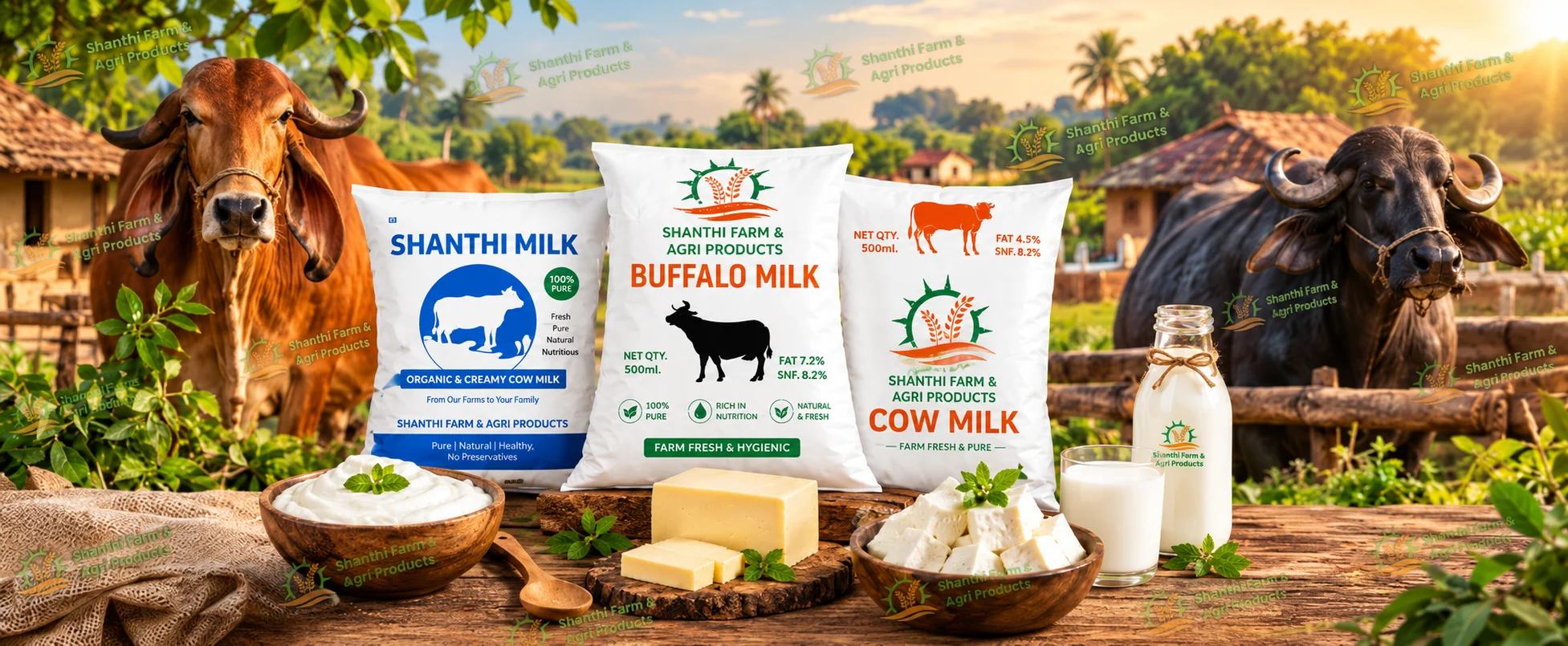
Best Dairy Products Suppliers in Hyderabad
Finding reliable dairy products suppliers in Hyderabad is important for households, restaurants, hotels, bakeries, sweet shops, supermarkets, catering businesses, and food manufacturers. A dependable supplier can provide fresh, hygienically handled dairy products with consistent quality, suitable packaging, timely delivery, and competitive pricing.
The dairy supply market in Hyderabad includes suppliers, wholesalers, distributors, and manufacturers offering products such as milk, curd, yogurt, paneer, cheese, butter, ghee, cream, milk powder, lassi, buttermilk, and other value-added dairy products. Businesses purchasing dairy products in bulk should consider product quality, cold-chain practices, storage conditions, delivery schedules, packaging, minimum order quantities, and supplier reliability.
Choosing the right Best Dairy Products Suppliers in Hyderabad can help businesses maintain product consistency, reduce wastage, and ensure a dependable supply of dairy ingredients for daily operations.
What Are Dairy Products Suppliers?
Dairy products suppliers are businesses that source, process, stock, or distribute dairy products to customers and commercial buyers. Depending on their business model, suppliers may obtain products directly from dairy manufacturers, milk processing facilities, farmers, or authorized distributors and supply them to retailers and businesses.
A dairy products supplier may offer fresh and processed dairy products in different quantities and packaging formats. Commercial suppliers commonly serve restaurants, hotels, bakeries, sweet shops, supermarkets, caterers, food manufacturers, and institutional buyers.
When selecting dairy products suppliers in Hyderabad, buyers should look for suppliers who maintain appropriate hygiene, product quality, temperature control, documentation, and delivery standards.
Types of Dairy Products Available in Hyderabad
Hyderabad has a wide range of dairy products suitable for retail and commercial requirements. Product availability can vary according to supplier, season, order volume, and storage requirements.
Milk
Milk is one of the most commonly supplied dairy products. Suppliers may provide different types of milk based on processing, fat content, packaging, and intended use. Businesses such as tea shops, restaurants, cafés, hotels, bakeries, and sweet manufacturers may require regular bulk milk supplies.
Curd and Yogurt
Curd and yogurt are widely used in homes and commercial kitchens. They can be used for meals, marinades, beverages, desserts, and food preparation. Suppliers may offer different pack sizes and varieties depending on customer requirements.
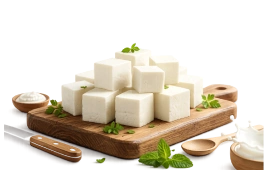
Paneer and Cheese
Paneer is widely used in Indian cuisine, restaurants, catering, hotels, and food-service businesses. Cheese is used in pizzas, sandwiches, burgers, bakery products, snacks, and prepared foods. Commercial buyers can source paneer and cheese in bulk quantities according to their operational needs.
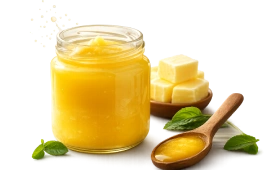
Butter and Ghee
Butter is commonly used in restaurants, bakeries, cafés, food processing, and confectionery applications. Ghee is widely used in Indian cooking, sweets, snacks, and traditional food preparation. Reliable suppliers can provide these products in retail and commercial packaging.
Cream and Milk Powder
Cream is used in desserts, bakery products, sauces, beverages, and confectionery. Milk powder can be used in food manufacturing, bakery applications, beverages, sweets, and other food-processing requirements. Buyers should check product specifications and intended applications before purchasing.
Lassi and Buttermilk
Lassi and buttermilk are popular dairy-based beverages, particularly in warm climates. Restaurants, cafés, hotels, caterers, and beverage businesses may purchase these products for direct serving or resale. Packaging, shelf life, refrigeration, and delivery conditions are important considerations.
Other Value-Added Dairy Products
Dairy suppliers may also provide flavored milk, dairy desserts, milk-based beverages, condensed milk, khoa/mawa, dairy-based ingredients, and other value-added products. Commercial buyers should select products according to their recipes, production processes, customer requirements, and storage facilities.
How to Choose Dairy Products Suppliers in Hyderabad
Choosing a dairy supplier requires more than comparing prices. Businesses should evaluate the supplier's ability to provide consistent quality and dependable service.
Consider the following factors:
-
-
Hygiene and handling: Understand how dairy products are processed, packed, stored, and transported.
-
Cold-chain management: Fresh dairy products generally require appropriate temperature-controlled storage and transportation.
-
Packaging: Select packaging that protects the product during storage and transportation.
-
Shelf life: Check manufacturing and expiry or best-before information before accepting deliveries.
-
Supply capacity: Ensure the supplier can consistently meet your required quantity.
-
Delivery schedule: Regular businesses should choose suppliers capable of meeting their required delivery frequency.
-
Pricing: Compare prices based on product specifications, quantity, packaging, transportation, and applicable terms.
-
Business documentation: Commercial buyers should verify relevant licenses, invoices, product information, and food-safety documentation where applicable.
-
Customer support: A responsive supplier can make it easier to resolve delivery, quality, or order-related issues.
A supplier that combines consistent product quality with reliable delivery can be valuable for businesses with daily dairy requirements.
Bulk Dairy Products Suppliers for Businesses
Bulk purchasing can be useful for businesses that consume dairy products regularly. Restaurants, hotels, bakeries, sweet shops, caterers, cafés, supermarkets, and food manufacturers may require large quantities of milk, curd, paneer, butter, cheese, cream, ghee, or other dairy products.
Before placing a bulk order, determine your average daily or weekly consumption. This helps avoid both shortages and unnecessary inventory. Discuss minimum order quantities, delivery frequency, pricing structure, payment terms, packaging options, and replacement policies with the supplier.
Businesses should also consider whether their existing refrigeration facilities are sufficient for the expected quantity. Purchasing larger quantities is beneficial only when products can be stored appropriately and used within their recommended shelf life.
Dairy Products for Restaurants, Hotels, Bakeries and Sweet Shops
Different food businesses have different dairy requirements.
-
Restaurants: May require milk, curd, paneer, butter, cream, ghee, and cheese for cooking and food preparation.
-
Hotels: May need dairy products for breakfast services, restaurants, desserts, beverages, catering, and room-service operations.
-
Bakeries: Commonly use butter, milk, cream, cheese, and other dairy ingredients in breads, cakes, pastries, cookies, fillings, and desserts.
-
Sweet shops: May require milk, paneer, khoa/mawa, ghee, cream, and other dairy ingredients for preparing traditional and modern sweets.
-
A supplier serving commercial customers should be able to understand these varying requirements and provide suitable quantities and delivery schedules.
What to Check Before Buying Dairy Products in Bulk
Before accepting a bulk dairy order, inspect the products and supporting information. Check the product name, batch or lot information, manufacturing or packing date, best-before or expiry information, packaging condition, and storage instructions.
For refrigerated products, confirm that appropriate temperature-controlled handling has been maintained. Packaging should be clean, sealed, and free from visible damage, leakage, swelling, or contamination.
Businesses should also confirm the quantity delivered against the purchase order or invoice. If a particular product specification is required, such as fat content, packaging size, or intended food-service application, confirm it before placing the order.
For recurring purchases, maintaining a simple supplier evaluation record can help businesses monitor delivery consistency, product quality, wastage, and service performance.
Dairy Product Storage and Handling Guidelines
Proper storage is essential for maintaining dairy product quality and reducing spoilage. Follow the storage instructions provided on the product packaging and by the supplier.
Refrigerated dairy products should be kept under the recommended temperature conditions and protected from contamination. Avoid leaving perishable dairy products at room temperature for extended periods.
Businesses should organize inventory using a suitable stock rotation system so that products approaching their best-before date are used first. Refrigerators and cold-storage areas should be kept clean and organized, with raw and ready-to-eat products appropriately separated where applicable.
Employees handling dairy products should follow good personal hygiene and food-handling practices. Any product showing unusual odor, appearance, packaging damage, or other signs of spoilage should be isolated and assessed according to the business's food-safety procedures.
Dairy Supplier vs Wholesaler vs Distributor vs Manufacturer
Although these terms are sometimes used interchangeably, they can describe different roles in the dairy supply chain.
A dairy supplier is a broad term for a business that supplies dairy products to customers. A supplier may source products from manufacturers or other supply channels.
A wholesaler generally purchases products in larger quantities and sells them to retailers or commercial buyers, often at wholesale rates.
A distributor typically manages the movement of products from manufacturers or producers to retailers, businesses, or other sales channels. Distribution can include warehousing, logistics, and delivery.
A manufacturer produces or processes dairy products in its own facility. Depending on the company, a manufacturer may sell directly to businesses or work through distributors and suppliers.
Understanding the supplier's role can help businesses determine whether they are purchasing directly from a manufacturer or through an intermediary.
Frequently Asked Questions
-
What dairy products can I buy from suppliers in Hyderabad?
Depending on the supplier, you may find milk, curd, yogurt, paneer, cheese, butter, ghee, cream, milk powder, lassi, buttermilk, khoa/mawa, flavored milk, dairy beverages, and other dairy products.
-
Can dairy suppliers provide products in bulk?
Yes. Many commercial suppliers serve restaurants, hotels, bakeries, sweet shops, caterers, supermarkets, and food businesses with bulk orders. Minimum order quantities and delivery terms vary between suppliers.
-
How can I check the quality of dairy products?
Check freshness, packaging condition, product specifications, batch information, dates, storage conditions, and relevant food-safety information. For recurring commercial purchases, establish consistent quality checks.
-
Do dairy suppliers offer delivery in Hyderabad?
Delivery availability depends on the supplier, delivery location, order quantity, product type, and service area. Confirm delivery schedules and transportation conditions before placing an order.
-
How frequently should businesses order dairy products?
Order frequency depends on consumption, shelf life, storage capacity, and delivery availability. Perishable products may require more frequent deliveries, while products with longer shelf lives can potentially be purchased less frequently.
Other Products
Explore More Fresh &
Farm Products
Farm Fresh
Fresh Milk
Rich Strength
Pure Buffalo Milk
Nature’s Purity
Pure Cow Milk
Golden Goodness
Ghee

Fresh Culture
Fresh Curd

Pure Richness
Pure Butter
Soft Freshness
Pure Paneer
Rich Flavor
Bufalo Ghee
Pure Goodness
Cow Ghee
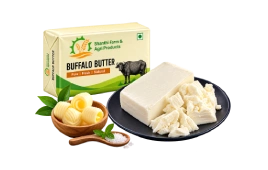
Creamy Richness
Bufalo Butter
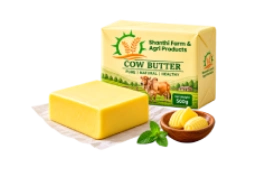
Natural Creaminess
