How to Choose the Right Ghee Manufacturer in Hyderabad for Quality and Bulk Supply
Choosing the right ghee manufacturer in Hyderabad is important for households, restaurants, sweet shops, catering businesses, and food-processing units. Buyers should evaluate product specifications, food-safety compliance, quality documentation, packaging, pricing, and delivery arrangements before confirming an order. Shanthi Farm Agri Products recommends understanding these factors to make informed purchasing decisions for retail and bulk requirements. Comparing suppliers carefully can help businesses maintain consistent recipes, manage costs, and plan regular supplies.
What Types of Ghee Can You Buy from Manufacturers in Hyderabad?
Ghee manufacturers and suppliers may offer different varieties depending on their production facilities, sourcing arrangements, and target customers.
-
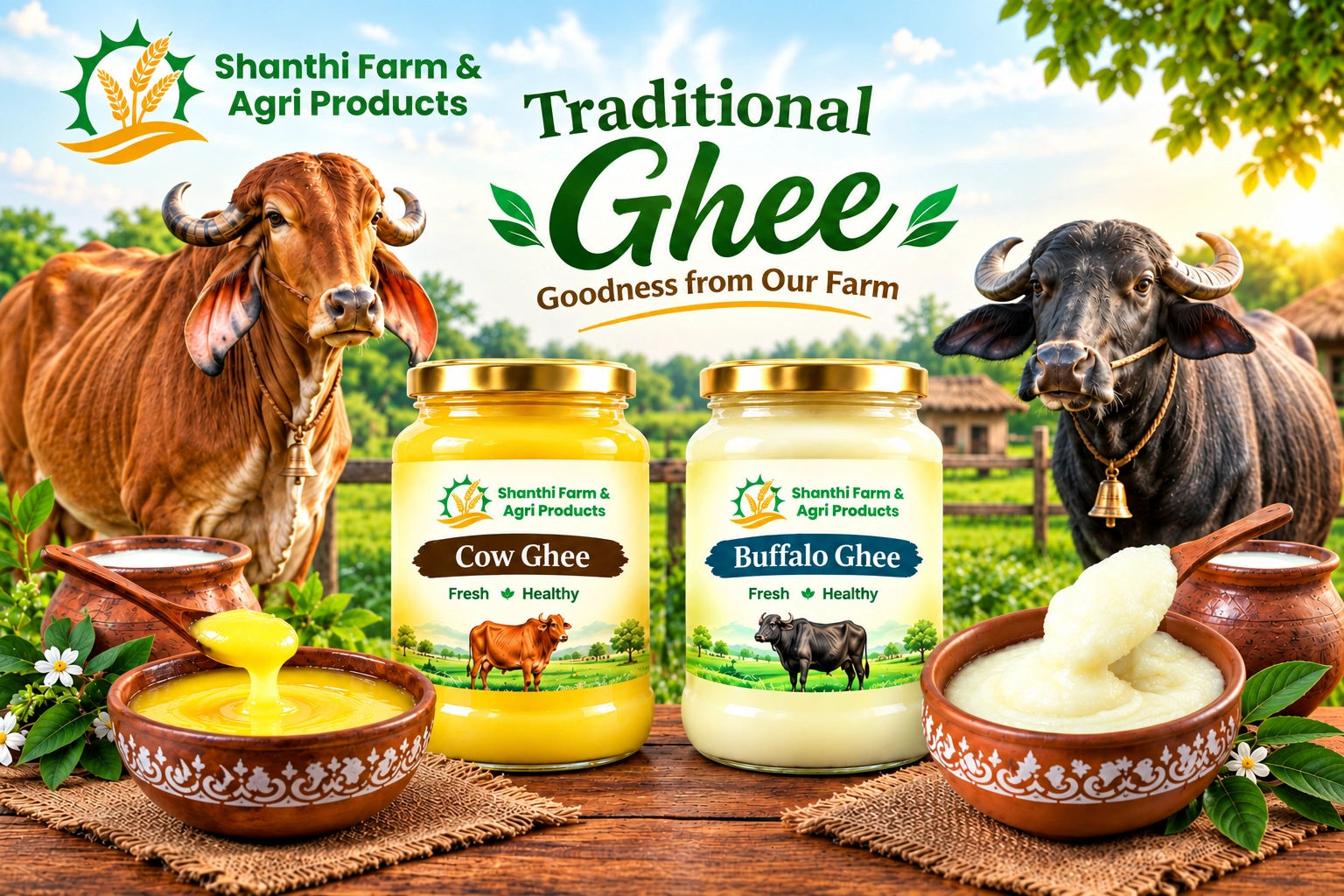
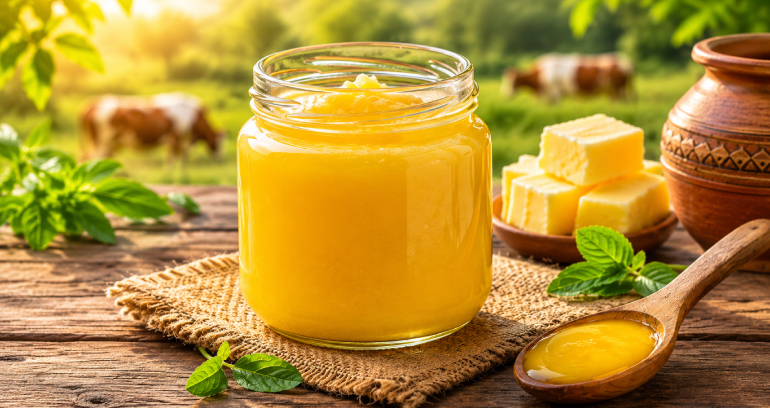
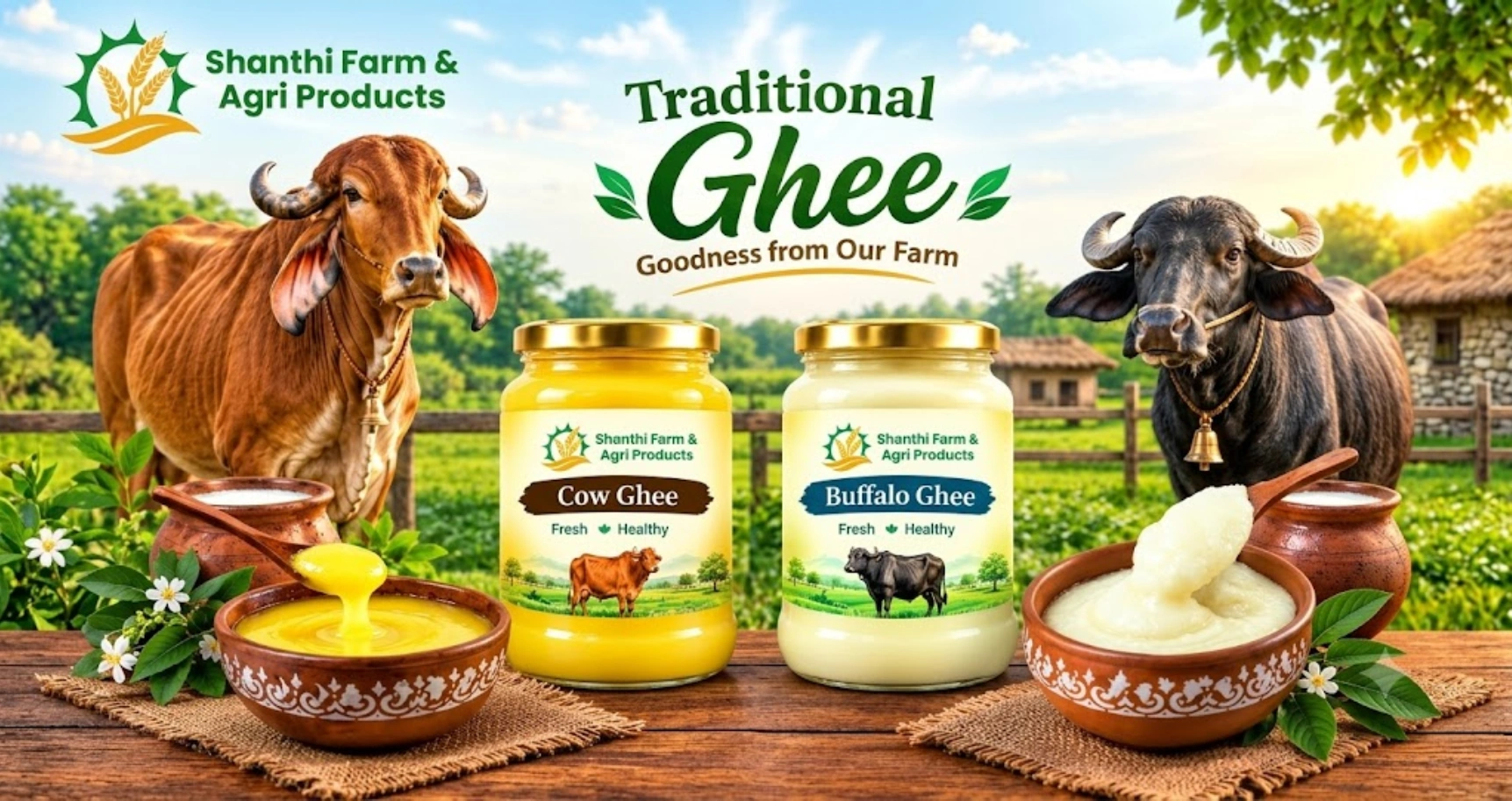
Cow Ghee: Commonly used in household cooking, traditional recipes, sweets, and food preparation.
-
Buffalo Ghee: May have a different colour, texture, and flavour profile depending on the milk source and processing method.
-
Desi Ghee: A commonly used product description whose specific preparation method should be confirmed with the supplier.
-
A2 Cow Ghee: Buyers should verify the milk-source claims and supporting documentation before purchasing.
-
White Ghee: A specialised dairy-fat product that may be available for particular commercial applications.
-
Retail and Bulk Ghee: Available in different packaging formats depending on the supplier's product range and minimum order quantity.
The aroma, colour, consistency, and flavour of ghee can vary according to milk composition, manufacturing methods, and storage conditions. Buyers should confirm ingredients, production processes, product specifications, and suitability for their intended applications directly with Shanthi Farm Agri Products or the relevant supplier.
What Quality Checks Should You Perform Before Ordering Ghee?
Ghee quality evaluation involves basic sensory inspection as well as appropriate laboratory analysis.
-
Aroma and flavour: Examine whether the sample has the expected characteristic aroma and flavour. Unusual or rancid odours may indicate a problem requiring further investigation.
-
Colour and texture: Observe the appearance and consistency. These characteristics can differ with milk source, processing, and storage conditions.
-
Ingredients and product identity: Confirm that the product matches its description and complies with applicable composition and food standards.
-
Batch-specific test reports: Request a Certificate of Analysis (COA) or relevant laboratory report for the batch being purchased, where available.
-
Fat composition and quality parameters: Ask for suitable analytical results demonstrating compliance with applicable food standards.
-
Traceability: Check whether batch numbers and production records allow the product to be traced through the supply chain.
-
Independent laboratory testing: For large or recurring orders, consider testing a representative sample through a qualified laboratory, such as an appropriately accredited NABL laboratory.
Smell, colour, texture, melting behaviour, and household tests cannot reliably establish authenticity or rule out adulteration. Laboratory analysis is important when formal verification is required.
Why Should You Ask for a Ghee Sample Before Placing a Bulk Order?
Requesting a sample helps buyers determine whether a product suits their intended use before committing to a large purchase. Restaurants can evaluate its performance in cooking, while sweet manufacturers can assess its suitability for specific recipes.
During a sample evaluation, check:
-
Taste, aroma, and consistency.
-
Suitability for cooking, frying, and sweet preparation.
-
Performance in the actual production process.
-
Packaging condition and handling.
-
Compatibility with the agreed product specifications and quotation.
Compare samples from different suppliers using the same criteria. A satisfactory sample should also be supported by appropriate documentation and laboratory testing when necessary. One approved sample does not guarantee that every future batch will have identical characteristics.
How Should You Compare Ghee Manufacturers and Suppliers in Hyderabad?
Not every ghee supplier manufactures the product directly. Businesses may operate as manufacturers, processors, private-label producers, wholesalers, distributors, or retailers. Understanding this distinction helps buyers assess accountability and supply reliability.
Before choosing a supplier, check the following:
-
Whether the business manufactures ghee or sources it from another company.
-
Manufacturing and packaging facility information.
-
Product varieties and written specifications.
-
Ability to meet the required quantity and supply schedule.
-
Quality-control procedures and batch documentation.
-
Customer references, where appropriate.
-
Availability of samples and technical documents.
-
Written quotations, payment terms, and delivery commitments.
Shanthi Farm Agri Products encourages buyers to compare suppliers based on verifiable product information and commercial suitability rather than promotional claims alone.
What Packaging Options Should You Check Before Ordering Ghee?
Packaging should match the quantity purchased, transportation arrangements, storage facilities, and intended use. Depending on availability, buyers may find small jars, retail pouches, food-grade tins, larger containers, and bulk packaging for institutional customers.
Before confirming an order, verify that:
-
Packaging materials are suitable for food contact.
-
Seals are intact and containers are undamaged.
-
Labels include applicable product, batch, quantity, and date information.
-
Storage instructions are clearly communicated.
-
Net quantity and packaging material are specified in the quotation.
-
Responsibility for leaking or damaged containers is agreed upon.
Restaurants and sweet shops should consider storage convenience and handling requirements when selecting commercial packaging.
What Is the Minimum Order Amount for Hyderabadi Ghee Manufacturers?
The minimum order quantity (MOQ) varies according to the supplier, ghee variety, packaging format, production capacity, and custom-label requirements. No single MOQ is applicable to all manufacturers.
Buyers may be able to request sample quantities, small trial orders, retail cartons, bulk tins, regular institutional supplies, or private-label packaging, depending on the supplier's arrangements.
Before ordering, confirm the MOQ, manufacturing lead time, payment terms, and availability of repeat orders. Businesses planning monthly or weekly purchases should discuss anticipated demand in advance and obtain the agreed conditions in writing.
Potential Benefits for Consumers
-
Cow or buffalo ghee and the specified product type.
-
Milk-fat characteristics and product specifications.
-
Manufacturing and processing methods.
-
Brand and private-label requirements.
-
Packaging size and material.
-
Total order quantity.
-
Testing and documentation requirements.
-
GST and other applicable charges.
-
Transportation and unloading costs.
-
Supply frequency and payment terms.
Request written quotations from at least two or three suitable suppliers. Compare the total delivered cost for equivalent specifications rather than choosing solely by the lowest quoted price. Additionally, keep in mind that price per kilogram and price per liter are two different units of measurement. Confirm applicable taxes and delivery charges before approving the purchase.
How Can You Confirm Shelf Life and Storage Requirements?
Shelf life and storage instructions vary according to the product, packaging, manufacturing process, and supplier's specifications.
Check the manufacturing date, best-before date, recommended storage conditions, packaging integrity, and remaining shelf life at delivery. Protect ghee from moisture, contamination, and excessive heat, and follow the manufacturer's storage instructions.
Bulk buyers should use the first-expiry-first-out (FEFO) method to manage stock and reduce the risk of keeping older inventory beyond its recommended period. Restaurants and food manufacturers should agree on the minimum remaining shelf life required when goods arrive. Transportation and storage arrangements should preserve packaging integrity and follow applicable food-safety practices.
What Should Restaurants, Sweet Shops and Food Businesses Check Before Ordering Ghee?
Commercial buyers require a supplier who can reliably fulfilll delivery demands and product specifications. Recipes, customer satisfaction, and production costs may all be impacted by changes in performance, flavor, or aroma.
Before entering a recurring supply agreement, assess:
-
Consistency of product specifications between batches.
-
Suitability for the intended recipes and cooking process.
-
Weekly or monthly supply capacity.
-
Availability during festivals and seasonal demand.
-
Bulk packaging and storage convenience.
-
Batch traceability and proper invoices.
-
Procedures for addressing quality complaints.
-
Clear delivery schedules and commercial terms.
Conduct a trial run using the product in your actual preparation process before committing to a long-term arrangement. Shanthi Farm Agri Products recommends documenting the agreed specifications, quantity, pricing, and delivery expectations to support better purchasing decisions.
What Questions Should You Ask a Ghee Manufacturer Before Confirming an Order?
Use this checklist when contacting potential suppliers:
-
Are you the manufacturer, processor, or supplier?
-
What type of ghee are you offering?
-
What are the ingredients and product specifications?
-
Can you share a recent batch-specific COA or laboratory report?
-
Can I get a sample before buying in bulk?
-
What is your minimum order quantity?
-
Which packaging sizes are available?
-
What is the price, including applicable taxes and delivery charges?
-
What is the manufacturing lead time?
-
What shelf life and storage conditions apply?
-
How do you handle damaged packaging or quality complaints?
-
Can you maintain consistent specifications for recurring orders?
-
What payment terms and delivery arrangements do you offer?
Obtain important product specifications and commercial commitments in writing before making payment or confirming a recurring order.
Frequently Asked Questions
1. Where can I find ghee manufacturers in Hyderabad?
You can identify potential ghee manufacturers and suppliers in Hyderabad through business directories, official company websites, industry referrals, and direct enquiries. Verify whether each business manufactures the product or purchases it from another source. Request applicable FSSAI details, product specifications, samples, and quotations before selecting a supplier.
2. What should I check before placing a bulk ghee order?
Review the product type, ingredients, batch-specific testing documentation, packaging, minimum order quantity, shelf life, and storage instructions. Compare written quotations that include applicable taxes and delivery charges. A sample evaluation and independent laboratory testing may be appropriate for larger or recurring purchases.
3. Can I request a ghee sample before ordering in bulk?
Many suppliers may offer samples, subject to their policies and availability. Use the sample to evaluate aroma, flavour, texture, packaging, and suitability for your intended recipes. For commercial purchases, compare the sample with written specifications and request relevant testing documentation.
4. What is the minimum order quantity for ghee?
The minimum order quantity depends on the supplier, product variety, packaging format, and production arrangements. Sample orders and retail cartons may have different requirements from bulk tins or customised packaging. Contact the supplier directly to confirm the MOQ, lead time, payment terms, and availability of recurring deliveries.
5. What factors affect ghee prices in Hyderabad?
Prices vary with the ghee variety, product specifications, manufacturing process, packaging, order quantity, testing requirements, applicable taxes, and transportation charges. Request comparable quotations from multiple suppliers and evaluate the total delivered cost. Always confirm whether the quoted price is per kilogram or per litre.
6. How can I check the quality of a ghee batch?
Begin by checking the packaging, label, batch identification, aroma, and appearance. Then review the available batch-specific COA or laboratory report. For formal verification, consider independent testing through a qualified laboratory. Sensory inspection alone cannot reliably confirm authenticity or exclude adulteration.
7. What documents should I request from a ghee manufacturer?
Request an applicable tax invoice, product specifications, batch information, manufacturing and best-before dates, storage instructions, and a relevant laboratory report or COA where available. Commercial buyers may also require written quotations, delivery terms, and documentation supporting product traceability.
8. Which packaging options are available for bulk ghee?
Depending on the supplier, options may include retail containers, pouches, food-grade tins, larger commercial containers, and institutional bulk packs. Confirm net quantity, packaging suitability, seal integrity, labelling, and storage requirements. Check transportation arrangements and agree on how damaged or leaking containers will be handled.
9. How can restaurants and sweet manufacturers choose a ghee supplier?
Restaurants and sweet manufacturers should evaluate flavour, aroma, recipe performance, batch consistency, supply capacity, packaging, and commercial terms. Request a sample and conduct a trial in the actual production process. Verify food-safety documentation and agree on delivery schedules, quality specifications, and complaint-handling procedures before establishing a regular supply arrangement.
10. How should bulk ghee be stored?
Follow the product manufacturer's stated storage instructions. Keep containers properly sealed and protect them from moisture, contamination, and excessive heat. Monitor manufacturing and best-before dates, maintain appropriate stock rotation, and inspect packaging during receipt and storage. Storage conditions should be suitable for the particular product and packaging format.
11. Is a laboratory test report useful when buying ghee in bulk?
Yes. A relevant batch-specific laboratory report can help buyers assess whether the product meets applicable composition and quality requirements. Review the report's date, sample identification, test parameters, and laboratory details. For significant purchases, independent testing through a suitably qualified laboratory can provide additional verification.